top of page


Capacity, the Court and the Expert: Why “Relevant Information” Must Include Real-World Consequences
Capacity assessments must consider more than generic information. This Court of Protection judgment shows why assessors must identify the real-world consequences of a decision, including risks to care, treatment, accommodation and family advocacy. It is a reminder that expert evidence must answer the correct legal question, not just describe clinical presentation.

Ben Slater
Jun 179 min read


Why the Supreme Court’s deprivation of liberty judgment should concern every social worker
On 2 June 2026, the Challenging Behaviour Foundation published its response to the Supreme Court judgment on deprivation of liberty. For social workers, this is not a remote legal issue. It goes directly to how we understand liberty, consent, restriction, safeguarding and human rights in the lives of disabled people. The judgment concerns a Supreme Court reference brought by the Attorney General for Northern Ireland about deprivation of liberty, mental capacity and whether a
Ben Slater
Jun 27 min read


Introducing the Nellie Standard - A Framework for Evidence-Based Assessment, Reporting and Advocacy
The Nellie Standard is the framework behind how Nellie Supports approaches assessment, reporting, advocacy, and evidential work. Built around clear reasoning, visible evidence, independence, and scrutiny, it sets out the standard we believe professional work should meet before families, solicitors, deputies, local authorities, NHS bodies, tribunals, or courts are asked to rely on it

Ben Slater
May 124 min read


Who Can Complete a Mental Capacity Assessment?
A mental capacity assessment does not always have to be completed by a doctor. This guide explains who can assess capacity, why the Mental Capacity Act test is functional and decision-specific, and when a social worker or specialist assessor may be better suited.
Ben Slater
May 77 min read


Why Assessors Must Explain the Purpose of a Mental Capacity Assessment
Louise is a qualified and registered Social Worker with a master’s degree in international human rights. Louise has worked with adults and older people since 2002 in varied social care roles including as a university lecturer program lead. Louise currently supports students from Oxford Brookes university as a practice educator. Louise is an emphatic but professional and will strive to achieve the very best for all stakeholders.
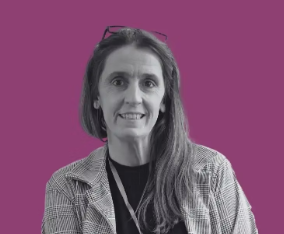
Louise Thornton
May 57 min read
bottom of page